Incest and psychotrauma

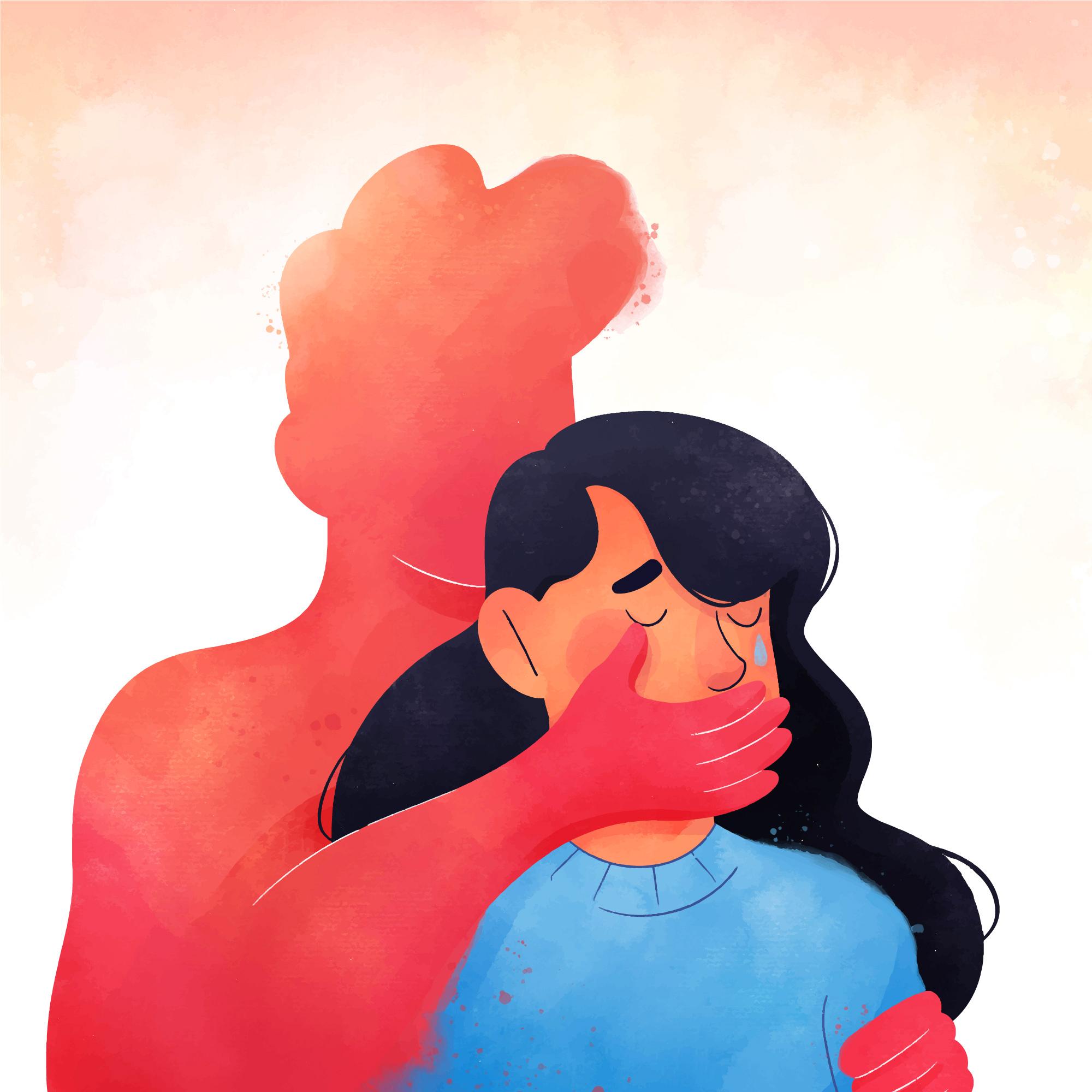
Of all forms of sexual violence, those committed within the family are among the most traumatic. They can occur in childhood or adolescence, in a climate of control and secrecy. Incestuous violence, whether legally classified as incest or part of a wider family context, is still insufficiently recognized and supported.
supported.

This dossier provides guidelines for understanding the concept of incest suffered by minors, how this type of violence differs from other sexual assaults, the psychotraumatic impact, and how to recover from potentially associated psychotrauma. It is aimed at all those concerned, their families and friends, as well as professionals who may be called upon to identify, support or refer victims.
Read the full file in pdf

What is PTSD?

Post-traumatic stress disorder, sometimes referred to by its abbreviation PTSD, is a disorder that occurs following a traumatic event in which one is or feels confronted with death (an armed conflict, an attack, a car accident, etc.) or when one's physical or sexual integrity is attacked (a physical and/or sexual assault, rape, etc.). It's a reaction to intense stress, usually occurring within a month of the event, but can also manifest itself several months or even years after the trauma. It affects more women than men, and children too.

Recognizing the symptoms of PTSD

There are four main types of symptoms that persist for at least a month and cause discomfort:

  • Avoidance symptoms: when we avoid going down a particular street, doing a particular activity, etc. In short, we avoid anything that might remind us of the traumatic event. In short, we avoid anything that might remind us of the traumatic event. It can also mean avoiding thinking about it or talking about it, which makes it all the more difficult to come to terms with it.
  • Intrusion symptoms: for example, reliving the traumatic event and the emotions felt at the time. These are particularly violent moments that can paralyze the person experiencing them. They can take the form of flashbacks, nightmares...
  • Hypervigilance: you'll jump at the slightest noise, be on the alert all the time, turn around in the street to see if anyone's following you, etc. There are also sleep disorders, irritability, concentration problems, impulsive behaviour...
  • Negative emotions or ideas about oneself: one will feel anger, fear, guilt or shame in connection with the event, one will feel insensitive or disconnected from others, one's surroundings. It can also be an inabilitý to remember important elements of one's life or traumatic events (typically due to dissociative amnesia and not because of other factors such as head trauma, or alcohol or drug use), or a distortion in the temporality or memory of the event.

⚠️ The diagnosis of PTSD is quite complex and can only be made by a health professional trained in psychotrauma. If in doubt, consult your GP, who will refer you to a psychiatrist or psychologist. In all cases, there are ways of getting better.

Risk factors for PTSD

It's important to understand that PTSD is not a weakness. PTSD is a psychological disorder that can occur in anyone who has been exposed to extraordinary and threatening events. In the following chapters, we'll look at how to identify, manage and overcome PTSD. Not everyone develops PTSD after a traumatic event, but there are factors that increase the risk. These factors include:

- The severity of the event;
- Proximity to the event;
- Lack of social support;
- History of past trauma;
- History of other psychological disorders.

The diagnosis of PTSD is complex and can only be made by a health professional trained in psychotrauma. If in doubt, consult your GP, who will refer you to a psychiatrist or psychologist. In all cases, there are ways of getting better.

Complex trauma

When you're a victim of incest, you're more likely to develop what we call "complex trauma". Being a victim of incest is particularly prone to complex trauma, as it is rarely an isolated event. Incest most often occurs in a context of repetition, control and betrayal by a figure supposed to protect. In addition to flashbacks and hypervigilance, there may also be emotional dysregulation, frequent dissociation, altered self-image (shame, guilt, feelings of being "no good") and lasting relationship difficulties (fear of intimacy, unstable relationships, dependency or isolation).

These symptoms develop because the child has not only experienced shock, but has also grown up in a traumatic environment, with no way of escaping it. The child will integrate the aggressor's words, which seek to reverse the guilt ("It's your fault"). In fact, incest is not just a sexual assault: it's a repeated betrayal within the family itself, preventing the development of a sense of security and a stable identity. It is this repetition and permanent insecurity that explains why incest is particularly associated with complex trauma.

Why is the unveiling often delayed?

The fact that many incest victims don't speak out until years, sometimes decades, after the event is not only due to dissociative amnesia. Fear of reprisals by the perpetrator, especially in the case of a relative on whom the victim is emotionally or materially dependent, is another powerful deterrent. Shame and guilt, often reinforced by the perpetrator's words ("it's your fault", "no one will believe you") are often found in complex psychotrauma and may also explain the delay.

The weight of family secrecy and the fear of "destroying" the family by speaking out, the lack of words to say what happened, especially when you're a child, the fear of being judged or not believed by those around you or by institutions are all additional reasons.

This is sometimes compounded by the reactions of those around the victim to initial partial disclosures - minimization, silence, denial - which discourage the victim from speaking out again.

Find out more about post-traumatic stress disorder

Incest: a few guidelines

In this dossier, we use the term incest to refer to all sexual violence committed within the family against a child/adolescent. But this expression covers a number of situations, and the legal definition of incest does not include all the situations of aggression reported by victims and victims' associations.

Etymologically, the word "incest" comes from the Latin incestus, meaning "impure" or "defiled". Historically, it refers less to the protection of children than to the moral or religious order. Long associated with anthropological prohibitions (notably in the work of Claude Lévi-Strauss), it has been perceived as a cultural taboo rather than as violence.

What the law says

According to article 222-31-1 of the French penal code, "rape and sexual assault are qualified as incestuous when committed on a minor" by :
- An ascendant: father, mother, grandfather, grandmother... ;
- A brother, sister, uncle, aunt, nephew or niece;
- The spouse or partner of one of the above-mentioned persons, or the partner bound by a civil solidarity pact (PACS) with one of the above-mentioned persons, if he/she has de jure or de facto authority over the minor.

Cousins and extended family

Today, the law does not consider an assault committed by a cousin to be incestuous. However, many victims and victims' associations are calling for this to be recognized. Many victims do not recognize themselves in the legal criteria, or have not been recognized as such by the courts, even though they have suffered sexual assaults within the family. According to the 2021 INSERM - CIASE survey, 14.4% of domestic violence suffered by girls was committed by cousins (and 17.8% by boys). That's why, in this dossier, we'll be looking at incest in the broadest sense of the term, including extended family and in-laws.

4009260 - Cn2r

Incest and incestuality

An incestuous climate exists when a family is not marked by a direct sexual act, but by an atmosphere in which the boundaries between adults and children are blurred. The incestuous climate is the breeding ground for incest, which results in a psychic fraction of the same order as the act.

In this type of context, the child may be exposed to sexualized attitudes (looks, gestures, words, intimate confidences) or placed in an inappropriately close relationship with a parent or adult family member. The incestuous climate can also take the form of a role reversal: the child becomes a confidant, an "emotional partner", or even an emotional substitute for a parent.

Even without explicit sexual aggression, this climate constitutes psychological violence: it prevents the child from developing in safety, fosters confusion between love, sexuality and power, and increases the risk of psychotraumatic or relational disorders in adulthood. of a parent.

12 criteria for an incestuous climate

Researchers have proposed a concrete definition of an incestuous climate, listing 12 signs that can help identify it. These criteria relate not only to sexual acts, but above all to an unhealthy family atmosphere, where the boundaries between child and adult are blurred:

  • The child sleeps in the parent's bedroom;
  • Excessive physical proximity (to parents) ;
  • Excessive attention to the young person's body (on the part of the parents);
  • Promiscuity;
  • Non-respect of an intimate place for the young person's toilet (on the part of his parents);
  • Not being allowed to think for oneself (or maintaining a situation that leads to this);
  • Confidence about emotional and sexual life (with parents) ;
  • Excessive attention to the young person's sexuality (on the part of the parents) ;
  • Place confusion (on either side);
  • Exhibition ;
  • Sexuality by proxy (on both sides) ;
  • Intimacy intrusion (on either side) ;

Researchers have shown that the more these criteria accumulate, the greater the risk of the child or teenager developing psychological disorders (sadness, anxiety, insomnia, risky sexual behavior, suicidal ideation).

Key figures

In this type of context, the child may be exposed to sexualized attitudes (looks, gestures, words, intimate confidences) or placed in an inappropriately close relationship with a parent or adult family member. The incestuous climate can also take the form of a role reversal: the child becomes a confidant, an "emotional partner", or even an emotional substitute for a parent.

Please note: these figures are based on declarations, which means that people in denial, unawareness, fear or with dissociative amnesia are not included. The number of victims is therefore likely to be much higher.

1 in 10 victims of sexual violence during childhood: according to the work of the Independent Commission on Incest and Sexual Violence against Children (CIIVISE), one in ten people in France was a victim of sexual violence during childhood. This represents several million victims. Source

81% of abused children are assaulted by a family member: the vast majority of sexual assaults on children are incestuous. The perpetrator is most often the father (27%), brother (19%) or uncle (13%). Source

21,704 victims of intra-family sexual violence recorded by the police and gendarmerie in 2024: a figure that is certainly very low compared to reality, due to the number of victims who do not file a complaint (notably because of dissociative amnesia). Source

1 French person in 3 knows at least one victim of incest: and this figure is rising year on year. Source

"

"The first time I heard the word incest, I had amnesia, so it didn't do anything to me. I experienced it as a kind of external news item, a bit creepy, but outside of me. What's more interesting is what it did to me when I found out I was the victim of incest. I didn't believe it then. I told myself it couldn't exist, that it was too horrible for me to be concerned. I didn't have the necessary hindsight to see how frequent and almost commonplace it was, and that it affected all social categories."

Testimony of Charlotte, incest survivor
"

"It's an ultra-political issue. Anthropologist Dorothée Dussy says that incest is the cradle of domination. It structures the patriarchal social order, particularly in France. If we really recognized the extent of the phenomenon, it would be a social revolution. Incest maintains hierarchy and domination. It's so huge that many people prefer not to see it. Even I, as a survivor, need to keep a small part of denial so as not to spend my life revolted."

Testimony of Charlotte, incest survivor

The impact of incest on my health

Incest is an extreme form of psychotraumatic violence, because it destroys fundamental points of reference: intimacy, security, trust and filiation. It is an intimate, lasting and often repeated betrayal that leaves deep scars on the body and mind.

For example, it is estimated that one child in two who has been sexually abused has post-traumatic stress disorder5 , with an even higher frequency depending on the profile of the abuser (it's two out of three when the perpetrator is the father). Even when the full criteria for PTSD are not met, many children show symptoms of PTSD.

Global violence

It's not just the sexual act itself that's traumatizing: it's the context, the repetition, the link with the aggressor... As a child, we're often unable to run away, to say what's happening to us, or even to understand it. We're caught in a double bind: loving and fearing, depending on and enduring. This situation triggers psychic survival mechanisms such as dissociation (feeling disconnected from one's body or emotions), stupefaction (inability to react), or dissociative amnesia.

What happens in the brain
When a traumatic event occurs, the brain goes into a state of high alert. The amygdala, responsible for detecting danger, goes into overdrive. The hippocampus, which processes memories, malfunctions: facts are no longer recorded as normal memories. The prefrontal cortex, responsible for reasoning, can no longer regain control.
Asa result, the victim may have no clear recollection of what happened (total or partial amnesia), or, on the contrary, may relive scenes over and over again (flashbacks). These are not signs of weakness, but neurobiological survival reactions.

Amnesia

Some people grow up unaware of having been subjected to violence, until a detail - a word, a smell, a scene from a film - suddenly brings back images, sensations, snatches of memory.

It's actually a survival mechanism that the brain puts in place. As a child victim of incest, we often have no way of physically escaping. To survive, our brain "cuts off" access to the most painful memories. This protective mechanism prevents us from being overwhelmed, but has the side-effect of burying whole swathes of our history. Years, sometimes decades later, these memories can reappear, often in a brutal and intrusive way.

The return of memories is rarely linear: it can come in flashes, nightmares, physical sensations. You may find yourself doubting yourself: "Did I make it up? Is it real?" Those around you may reinforce this doubt, by questioning the reliability of this memory. This skepticism is an additional form of violence. Amnesia is also an almost total guarantee of impunity for aggressors. Without a clear memory, victims don't press charges.

The question of "suffered pleasure
A little-known aspect often reported by victims is that of pleasure undergone. In certain incest situations, the body may react in spite of itself to sexual stimulation. This in no way implies consent: it's an automatic physiological reaction, which doesn't erase the violence or coercion. But this mechanism often leads to intense guilt: many victims tell themselves that they "participated", or that they won't be believed if they talk about it. This sense of confusion and shame is a major obstacle to disclosure, and contributes to the silence that still surrounds incest.

Long-term effects

The effects of incest don't stop when the abuse is over. Some victims describe diffuse symptoms, chronic disorders and unexplained pain years or even decades after the event, without always making the connection with what they suffered. We know that sexual violence in childhood increases the risk of other difficulties, such as eating disorders, risk-taking behaviour, self-mutilation, depression... It's not automatic, but studies show that trauma often has a "cascade" effect on different aspects of psychological and physical health.

Among the most common consequences outside of post-traumatic stress disorder are:
- Depression ;
- Anxiety;
- Sleep disorders;
- Addictions (alcohol, drugs, medication, etc.);
- Eating disorders;
- chronic pain.

Incest and borderline personality disorder
Some studies are exploring the link between childhood incest and the development of borderline personality disorder in adulthood. In fact, incest damages the construction of identity. When you don't know who you are anymore, it's hard to have a stable self-image and peaceful relationships. This blurring of identity may explain why some victims later develop difficulties such as borderline personality disorder.

Suicide

The link between incest and suicide attempts is also very strong. According to an IPSOS survey carried out in 2010 for Face à l'inceste, 86% of incest survivors surveyed say they have or have had suicidal thoughts or impulses on a regular basis (compared with 14% of French people). 53% had already attempted suicide, a third of them several times.

⚠️Si If you're worried about someone close to you, or if you're having suicidal thoughts, you can call 3114. This free service offers a professional and confidential listening service, 24 hours a day, 7 days a week, staffed by specially trained nurses and psychologists.

"

"The first word is hypervigilance. We're always on the lookout. Incest is a bond crime, and it damages trust in human relationships. There's also anguish, permanent stress, anxiety, depression and traumatic reactivation. In my case, I've been through a lot of incest, so I can reactivate very easily. This leads to fits of rage, a feeling of being dispossessed of oneself. And above all: permanent insecurity, the fact of having no safe place."

Testimony of Charlotte, incest survivor
"

"One day, I remember, it was May 1st, I was home alone, and I had very, very strong self-destructive impulses, which followed a very, very strange reaction I had when my boyfriend at the time. We were starting to get intimate, kissing, and I took three steps back, screaming, saying "What are you doing? What are you doing?". And then I thought 'well, there's a problem actually' and sought out a psychologist."

Testimony of Charlotte, incest survivor

An impact on different aspects of life

Incest is not just a past event that impacts our mental and physical health. Research shows that it particularly affects our emotional relationships, our sex life, our professional life, but also our self-image.

Emotional relationships

Growing up a victim of incest means growing up in a relationship of betrayal. The adult who was supposed to protect becomes the aggressor, upsetting fundamental points of reference. Numerous studies show that, as a result, the people concerned experience difficulties in their adult relationships:
- Difficulty trusting others;
- Fear of intimacy;
- Dependence or emotional avoidance.

There is also a very high risk of ending up in a violent relationship. The risk of retraumatizing with a violent partner is high, and is often one of the triggers for amnesia.

These reactions are not automatic, and can be attempts to protect ourselves, which can evolve when we return to stable, respectful and predictable relationships.

Impact on sex life

Because sexuality was associated with fear, shame or pain from an early age, it often remains complicated in adult life. Years or even decades later, we can observe a drop or absence of desire, pain (vaginismus, dyspareunia), body blockages, reliving during intercourse, and so on. Sometimes, on the contrary, the fact of having been a victim of incest translates into intense sexuality in adulthood, as if to regain control. In such cases, hypersexuality may be associated with drug or alcohol abuse.

None of this says anything about who we are: these are effects of the trauma. Specialized support, such as trauma-focused therapies (see below) and sex therapy, can help us to rediscover a chosen and peaceful sexuality.

Impact on professional life

Incestuous violence has an impact that goes far beyond the intimate sphere: it also influences school and career paths. Psychotrauma can make concentration, working memory and organization more difficult. Sleep disturbances, anxiety and flashbacks take their toll on energy and attendance.

In concrete terms, this can lead to :

  • Intermittencies in schooling (stops, dropping out, delays);
  • Professional instability, with frequent job changes or difficulties in maintaining employment;
  • Distrust of authority figures (bosses, teachers, superiors), which may recall the climate of control experienced in childhood;
  • Self-censorship: not daring to apply for a job, ask for a promotion, or speak in public, for fear of "not measuring up".

The challenge for the professional world is to create more inclusive and protective environments (possibility of accommodation, recognition of disabled worker status, right to telework, flexible working hours).

Risk of family implosion

Telling someone about incest can send shockwaves through the family. In many families, the first reaction is not support, but defense of the "family bond": minimization, denial, casting doubt, pressure to "keep quiet", even reversal of guilt onto the victim. These negative social reactions are well documented: they increase distress, encourage silence and complicate reconstruction.

The literature shows that parental support is a major determinant of a child's development, but that it is not automatic, especially when the perpetrator is a close relative. When the family rallies around the perpetrator, we can feel isolated or pressured to retract our statements. Research has shown that (dis)credibility among other family members has a direct influence on the risk of retraction; conversely, when the wider family believes us, the risk of retraction diminishes.

"

"All victims of incest should be recognized as disabled workers. And then there's a subject we don't talk much about: job insecurity. PTSD makes a stable working life very difficult. There's often a break with the family, which cuts off financial resources. For me, this is part of the collateral damage of incest. The final situation is precariousness: incest victims often have below-average incomes for all the reasons mentioned above."

Testimony of Charlotte, incest survivor
"

"Denial crushes us, does us violence. It's an unbearable double punishment."

Charlotte, incest survivor

Acting as a family member of a concerned adult

When you're close to a victim of incest and confronted with a shocking reality, you can feel helpless: what can you say? How to react? How can you help without causing harm? But the role of those close to the victim is crucial. A caring environment can be an essential resource in the reconstruction process. Conversely, denial or clumsiness can plunge a person back into isolation and suffering.

It's a proven fact: social support is a key protective factor against psychotrauma. Someone who is well surrounded will be less likely to develop post-traumatic stress disorder, and will recover more quickly. Your support, even non-professional, is therefore essential.

Welcoming words

When a loved one discloses incestuous violence, the most important thing is to offer a clear and unconditional welcome: say "I believe you", "it's not your fault", and let the person tell the story at his or her own pace. Doubting your loved one's story, minimizing the facts or cutting the conversation short to keep it a secret aggravates the symptoms of psychotrauma. The loved one will be less comfortable talking about it again and seeking
seek care. The most important thing is to believe the person immediately, and to direct him or her to trained personnel;
This attitude reduces distress and facilitates access to specialized care.

✔️A do :
- Listen without interrupting, without seeking details;
- Say clearly: "I believe you", "It's not your fault", "You're not alone";
- Respect the person's rhythm, don't force them to talk more.

❌ Avoid at all costs:
- Asking intrusive or accusatory questions: "Why didn't you say anything before?", "Are you sure of yourself?" ;
- Minimize: "This happens in many families", "You're exaggerating" ;
- Change the subject out of discomfort or to move on.

Protecting and supporting

Once a loved one has revealed that he or she has been the victim of incest, it's essential to ensure his or her safety. Confidentiality of what has been confided must be guaranteed, exposure to the alleged perpetrator must be avoided, and a simple daily routine must be maintained (routines, scheduled medical appointments, opportunities to withdraw).

Psychotrauma disrupts sleep, attention and mood. You can help your loved one with practical gestures (running errands, getting to and from work, attending a first appointment) that can really lighten the load. Depending on age and situation, your loved one may need help in contacting an association or trained professionals, finding a doctor or psychologist, or finding out about legal procedures.

Caution: never force a person to lodge a complaint or take steps for which he or she is not ready. The role of the person close to you is to provide support, not to decide for them.

CIIVISE, or Commission indépendante sur l'inceste et les violences sexuelles faites aux enfants (Independent Commission on Incest and Sexual Abuse of Children), is a commission set up to help better understand and combat incest and sexual abuse of children in France. In addition to collecting
testimonies from those who have been sexually abused as children, the commission formulates recommendations to improve the prevention of such violence and facilitate care for victims.

I also watch for signs of suicidal crisis. It is estimated that victims of sexual violence are two to three times more likely to commit suicide, and this risk is even higher in those who develop PTSD as a result of the violence. In a crisis, I don't hesitate to call emergency services (15) or seek professional help immediately. If I want to help someone in distress, I can contact the national suicide prevention number, 3114. 3114 is accessible 24/7, free of charge, throughout France. A care professional, specifically trained in suicide prevention, will be there to listen to me.

⚠️Préserveryour own balance
Accompanying a victim of incest can be emotionally demanding. As a loved one, it's important to take care of yourself by :
- Talking to a trusted third party (friend, doctor, psychologist);
- Allowing yourself to feel anger, sadness and helplessness;
- Remembering that you can't "fix" the situation for the victim.

Information for victims of terrorist attacks

How to help a child/teenage victim of incest?

There is no "typical profile" of a child victim of incest. Some quickly express visible symptoms (nightmares, anxiety, sexualized behavior, difficulties at school, etc.), while others seem to go "quite well" for a while. Studies insist on this variability of reactions: the fact that a child does not immediately show signs does not mean that he or she is not suffering. That's why careful monitoring over time is essential.

When a child or teenager discloses (or hints at) incestuous abuse, the reaction of those around them is decisive. Being believed and protected immediately can limit the severity of the trauma and promote reconstruction. Conversely, denial or inaction reinforces suffering and increases the risk of long-term problems.

Belief and protection above all

The credibility given to the child's word is a central factor in protection and recovery. If a child or teenager comes to me and tells me that they have been sexually abused by one or more members of their family, it's imperative that I believe them and let them know.

What to do:
- Immediately believe what the child says, even if the story seems confused;
- Immediately protect the child from the presumed perpetrator (put him/her away, call 119, report);
- Use clear, truthful phrases: "It's not your fault", "You did the right thing by talking about it", "What you experienced is not normal".

Just as when an adult discloses incest to us, we shouldn't ask leading questions or insist on details, nor should we minimize the facts with phrases like "Maybe it's not so bad" or doubt ("Are you sure?").

It's not always easy to know how to react and find the right words. Cultural resources adapted to the child's age and our role with him or her can help. Here's an inventory of a few suitable resources. Once you've assured the child that you believe him or her, report the incident immediately to the appropriate authorities (and do not confront the aggressor yourself).

In France, the law requires that all children in danger be protected (Penal Code, art. 434-3). Good reflexes:

  • 119 - Allô enfance en danger: free number available 24/7
  • Departmental CRIP (Cellule de recueil des informations préoccupantes - unit for collecting information of concern)
  • Police or gendarmerie if the child is in immediate danger

Reporting is not an option, it's a legal and ethical obligation.

Safety and guidance

A child victim needs to feel that his or her life has become predictable and secure again. Research on complex trauma in children19 stresses the importance of:
- Daily stability and established routines, with fixed schedules and reassuring surroundings;
- Respect for the child's body, with no imposed physical gestures (hugs, kisses);
- A place where children can express themselves, but also choose not to.

Finally, the sooner a child receives psychotraumatological care, the fewer long-term problems he or she will have. It is therefore essential to refer them to specialized care structures (see below).

Warning signs

Children and adolescents are not "protected" from psychotrauma because of their young age. Whether they have confided in me about a sexual assault or not, I can be alert to the signs of post-traumatic stress disorder to help them get better. Symptoms can include intense fears, nightmares, difficulty distinguishing past from present...

In most cases, children and adolescents who have suffered sexual violence will be more affected by what is known as complex post-traumatic stress disorder.

Warning signs:

  • Difficulty regulating emotions
  • Fragile attachment
  • Regressions and abrupt emotional changes
  • Aggression towards self and others
  • Behavioral, attention and learning difficulties
  • Sleep and eating disorders
  • Somatic manifestations (stomachaches, headaches, eczema, etc.)
  • Feeling of never being in the right place
  • Guilt, self-hatred, lack of self-confidence
  • Risky behavior
  • Difficulty setting limits
the child's voice

How do you help a child on a daily basis?

For toddlers (0-5 years)

  • I create routines

Stable routines provide a sense of security, essential for reducing anxiety. Reassuring gestures, such as a cuddle before bedtime or comforting stories, create soothing moments that help mitigate the effects of trauma.

  • Playing with my child

Play is an effective way for young children to release their emotions. Role-playing with dolls or figurines enables the child to express difficult feelings and experiences indirectly. Creative activities such as drawing or painting also help children to express their feelings non-verbally.

  • I encourage physical contact

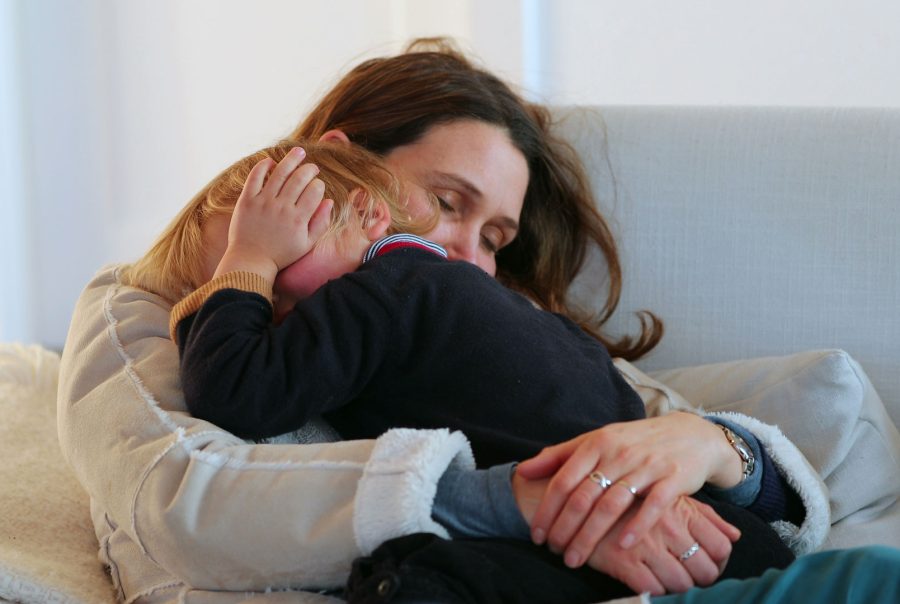
Gentle, comforting physical contact (e.g. cuddling) releases soothing hormones and reduces stress. Simply carrying my child in my arms strengthens the emotional bond.

For children aged 6 to 12

  • I bet on creative hobbies

I encourage my child to express himself through art (drawing, painting, writing, dancing...). Artistic expression offers a way of giving shape to emotions that are difficult to verbalize. It helps children better understand and cope with painful experiences. Diaries can also be a useful tool for expressing feelings.

  • I encourage open discussion

I try to create an environment where children feel safe to talk about their feelings and experiences. I encourage them to ask questions and express their feelings without judgment. In return, I offer age-appropriate, honest and reassuring answers.

  • I offer soothing activities

Sporting or artistic activities release endorphins that act as natural antidepressants. Taking part in sports, dance classes or manual activities can help release accumulated stress and promote emotional well-being. Meditation and yoga are also beneficial for some children.

For teenagers aged 13 to 18

  • I'm not afraid to talk about it

It's not always easy, but expressing their experiences openly can help teens understand and process their emotions. Open dialogue creates a safe space for sharing thoughts and concerns.

  • I turn it to the future

Having future goals gives meaning to the experience: sports competition, studies... This can help teenagers focus on building a positive future rather than remaining focused on the painful past.

  • I make sure he's well looked after

I facilitate my teen's participation in peer support groups. Teens can find comfort and advice from those who share similar experiences. Participating in social activities, clubs or support groups can be extremely beneficial to their recovery.

Who to ask for help?

A number of specialized care centers can help victims of incestuous sexual violence, particularly in terms of psychotraumatic repercussions.

  • Centers Régionaux du Psychotraumatisme (CRP) (Regional Psychotrauma Centers): these centers are located in every region of France, and are open to anyone affected by psychotrauma. Some centers specialize in treating adults, others children. To find the CRP nearest me, consult this map.
  • Centers Médico-Psychologiques (CMP): CMPs offer free psychiatric and psychological consultations. They offer outpatient care and can refer patients to specialized services if necessary. There are CMPs all over France (to find the one nearest you, type CMP + the name of the nearest large town into any search engine).
  • Private practitioners: psychologists and psychiatrists specializing in the treatment of psychotrauma work outside hospital structures. These consultations are not reimbursed, except under special arrangements.

Who can I turn to for help with my child/teenager?

In addition to the structures listed above, assistance may be offered:

  • In medical-psychopedagogical centers (CMPP) all over France; to find them, type "CMPP" into any search engine. These centers offer specific support for children and adolescents
  • Children's CMPs offer free psychiatric and psychological consultations. They offer outpatient care and can refer to specialized services if necessary. There are CMPs all over France (to find the one nearest you, type CMP + the name of your nearest town into any search engine).
  • In teenagers' homes, which are specially designed to support and help teenagers and young adults
  • PMI (Protection maternelle et infantile) services, for pregnant women and young children

Self-help or self-support

In addition to seeking professional help, there are techniques I can use to help me cope with PTSD. These are not intended to "cure" the trauma, nor to replace treatment or therapy, but to provide a few tips for everyday life > consult the document 10 techniques to help yourself .

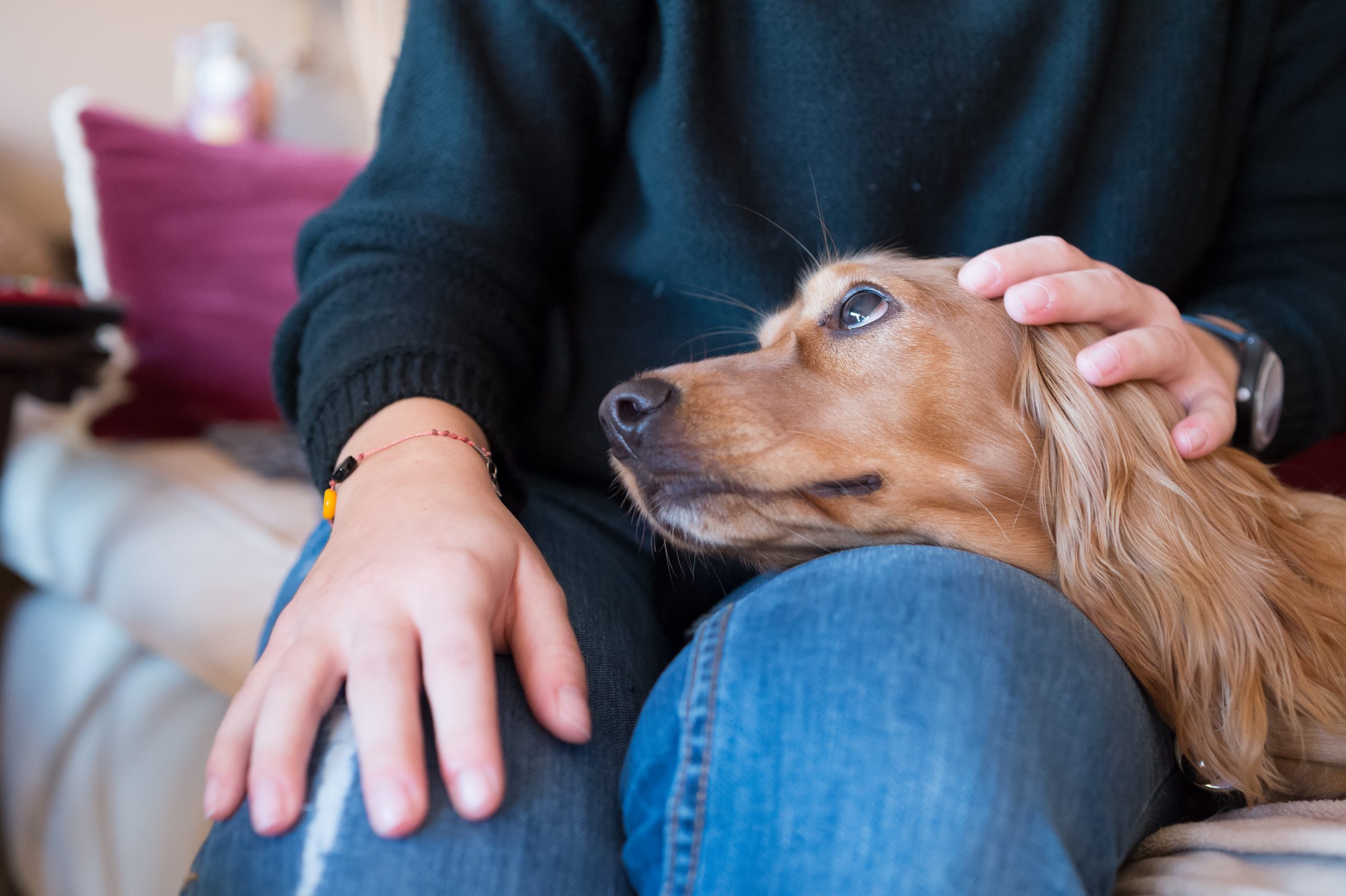
""I write. I even wrote a stand-up about incest, which I performed once. But most of all, I've adopted a dog. It's my main resource. He gives me unconditional love."

Testimony of Charlotte, incest survivor
close up woman with dog scaled - Cn2r

Which therapy works best?

CBT, EMDR... There are several therapies recommended for the treatment of post-traumatic stress disorder. To help me decide which therapy to turn to, I can consult this page dedicated to therapies and other treatments for PTSD.

Social workers and volunteers: how can we help?

Spotting the signs of PTSD

Professionals who regularly interact with incest victims, whether as social workers, healthcare professionals, educators, volunteers in associations, or in reception and emergency accommodation centers, are on the front line in detecting post-traumatic stress disorder. In your day-to-day interactions with these people, you often witness the concrete difficulties they face, particularly the psychological after-effects of the violence they have suffered. Your role in screening for PTSD is vital in directing victims to the appropriate resources.

Here are the signs to look out for:

  • Flashbacks;
  • Recurring nightmares;
  • Hypervigilance;
  • Excessive startle reactions;
  • Intense emotional distress
  • Difficulty concentrating;
  • Sleep disorders;
  • Avoidance behaviors;
  • Sudden changes in behavior or mood.

Advice and guidance

It's not always easy to know what to do when someone in distress shows signs of PTSD. In addition to referring the sufferer to a health professional, we can provide support on a day-to-day basis:

  • When counseling and referring men, women and children who are victims of incest, give them clear information about post-traumatic stress disorder (PTSD) in a language and form they can understand. Use appropriate information sheets, translated if necessary, to help victims better understand what is happening to them.
  • Assure them that seeing a psychologist or mental health professional doesn't mean they're "crazy". Emphasize that they won't be forced to tell their whole story again, and that there are ways to feel better.
  • Creating a reassuring, stable environment is essential to helping incest victims feel safe.
  • Make sure you maintain a lasting bond with the people you counsel and guide. Social support plays an important role in the healing process of PTSD, so maintaining an ongoing, empathetic relationship can be an important protective factor for their mental well-being.
  • Listen to the person you're supporting and their needs, without doing things for them or forcing them to do things at a time when they don't feel ready. Let them go at their own pace: it's not necessarily the right time for them to lodge a complaint, start therapy or work on traumatic memories.

Protecting yourself

Your involvement with incest victims can have a significant impact on your own mental well-being. Repeated exposure to traumatic stories increases the risk of developing vicarious post-traumatic stress disorder (vicarious PTSD).

Certain signs may alert you to the state of your mental health and the possibility that you are developing vicarious PTSD. For example:
- If you find it hard to let go of your work when you get home;
- If you feel constantly preoccupied with someone you're caring for;
- If you feel disproportionately angry or irritable;
- If you feel overwhelmed by your emotions without being able to keep a distance.

Other signals may include disturbances in your sleep, increased or excessive alertness, or changes in your eating habits or social behavior. If you notice these persistent signs, don't hesitate to talk to a healthcare professional, such as your GP. They can help you find strategies to manage your stress and anxiety, and direct you to additional resources if necessary. Getting help at an early stage can help prevent symptoms from worsening.

Vicarious PTSD?
Vicarious PTSD is a form of traumatic stress that affects individuals who are repeatedly exposed to the traumatic stories or experiences of others, often as part of their work or professional commitment. Unlike "classic" PTSD, where the individual is directly exposed to a traumatic event, vicarious PTSD develops in those who hear about or witness the traumas experienced by others.

To find out more, consult :
- Our scientific dossier on vicarious PTSD
- Our factsheets on the risk of psychotrauma among legal professionals and journalists.

Videos are often a good medium for psycho-education. For a simple approach to post-traumatic stress disorder, please visit our Youtube channel.

Cultural recommendations

Image5 - Cn2r

Or perhaps one night, Charlotte Pudlowski (podcast)

51iFQu5CP0L. UXNaN FMjpg QL85 - Cn2r

Dalva by Emanuelle Nicot (film)

Image6 - Cn2r

Ma famille imaginaire, Édith Chambon (graphic novel)

Image7 - Cn2r

Cassandre, by Hélène Merlin (film)

Image8 - Cn2r

My absolute darling Gabriel Tallent (graphic novel)

Image9 - Cn2r

Ce que Cécile sait, by Cécile Cée (story)

Go to main content